
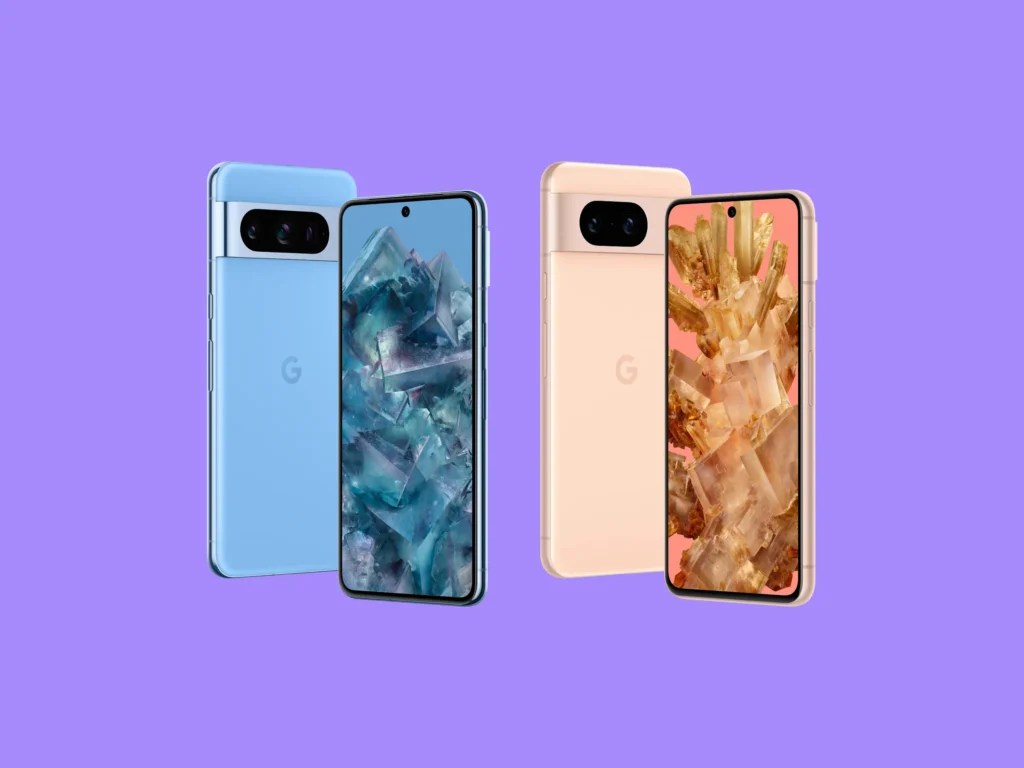
The smartphone market continues to evolve rapidly, and Google Pixel 8 and Google Pixel 8 Pro are two of the most impressive Android devices released recently.
Google has introduced meaningful upgrades this year, creating a clearer distinction between the Google Pixel 8 vs Pixel 8 Pro. While both phones share the same core Pixel experience, differences in size, camera features, display technology, and battery capacity may influence which device is the better choice for you.
In this guide, we will compare the Pixel 8 vs Pixel 8 Pro in terms of design, display, performance, cameras, battery life, and software support to help you decide which phone offers the best value.
Design and Build Quality
One of the most noticeable differences between the two devices is their size and weight.
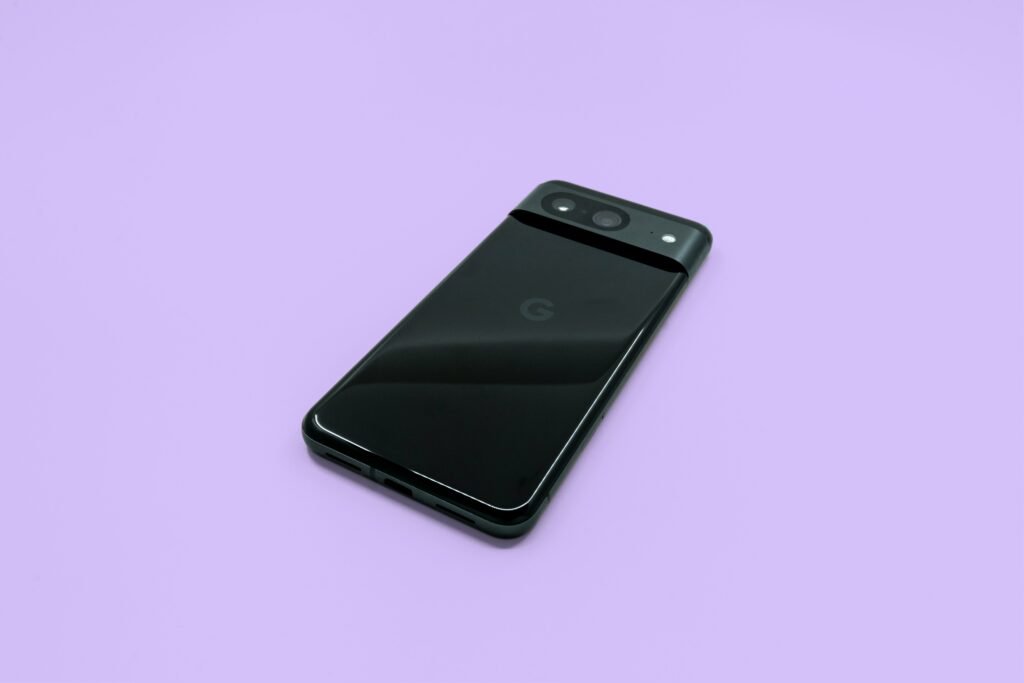
The Pixel 8 features a compact 6.2-inch design, making it one of the smallest flagship phones Google has released in recent years. Weighing just 187 grams, it feels lightweight and extremely comfortable for one-handed use.
On the other hand, the Pixel 8 Pro is larger and slightly heavier at 213 grams, but its rounded edges make it surprisingly comfortable to hold.
Both phones maintain the signature Pixel design with the horizontal camera bar, premium glass construction, and aluminum frame.
However, there is a small design difference:
- Pixel 8 uses a glossy glass back
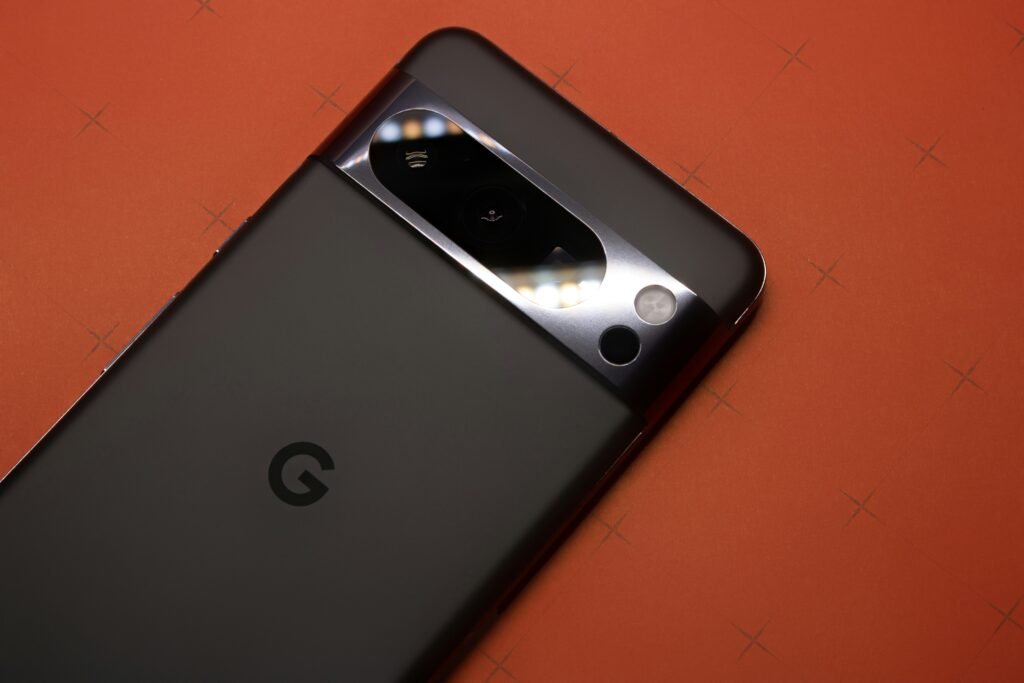
- Pixel 8 Pro features a matte glass finish
The matte finish on the Pro model is more resistant to fingerprints and scratches, giving it a more premium feel.
Display Comparison
Display quality is another area where Google has made significant improvements.
Pixel 8 Display
The Pixel 8 includes:
- 6.2-inch OLED display
- 1080p resolution
- 120Hz refresh rate
- Peak brightness up to 2000 nits
This is the first time the base Pixel model supports a 120Hz refresh rate, delivering smoother scrolling and animations.
Pixel 8 Pro Display
The Pixel 8 Pro offers a slightly more advanced display:
- Larger OLED panel
- 1Hz–120Hz adaptive refresh rate
- Peak brightness up to 2400 nits
- Higher resolution for sharper visuals
Another major improvement is the switch to a flat display on the Pixel 8 Pro. Previous Pro models used curved screens, which many users disliked due to accidental touches and higher repair costs.
The flat display improves durability and makes screen protectors easier to install.
Performance and AI Features
Both smartphones are powered by Google’s advanced Tensor chipset and rely heavily on AI and machine learning features.
Google continues to focus on smart features rather than raw performance. This includes:
- AI photo editing tools
- Advanced voice recognition
- Real-time translation
- Improved Google Assistant capabilities
The Pixel lineup is known for delivering a clean Android experience, and both devices run the latest version of Android with exclusive Pixel features.
Camera System
Camera performance has always been one of the strongest selling points of Pixel devices.
Both the Pixel 8 and Pixel 8 Pro share the same primary rear camera sensor and front-facing camera, ensuring excellent photo quality across both models.
However, the Pro version includes additional camera hardware.
Pixel 8 Camera Setup
- Main camera
- Ultra-wide camera
- Autofocus for macro photography
Pixel 8 Pro Camera Setup
- Main camera
- Ultra-wide camera
- Dedicated telephoto zoom lens
The telephoto lens on the Pixel 8 Pro allows for improved optical zoom and greater versatility in photography.
Additionally, both devices now include autofocus on the ultra-wide camera, enabling high-quality macro photography for close-up shots.
For users who want the most flexible camera system, the Pixel 8 Pro clearly has the advantage.
Battery Life
Since the two phones have different sizes, they also have different battery capacities.
- Pixel 8: 4575 mAh battery
- Pixel 8 Pro: 5050 mAh battery
Both phones are capable of lasting an entire day with moderate to heavy use.
Battery optimization from Google’s software and chipset helps maintain efficient power consumption.
Software Updates and Longevity
One of the biggest advantages of the Pixel 8 series is long-term software support.
Google promises up to seven years of updates, including:
- Android version upgrades
- Security patches
- Feature updates
This means both devices could potentially receive updates until around 2030, which is one of the longest support windows in the smartphone industry.
Price and Value
Pricing plays a big role in choosing between the two phones.
- Pixel 8 starts at $699
- Pixel 8 Pro costs significantly more depending on storage options
For most users, the Pixel 8 offers incredible value because it includes:
- Flagship performance
- High-quality camera
- Smooth 120Hz display
- Long software support
The Pixel 8 Pro is better suited for users who want:
- A larger display
- More advanced camera features
- Optical zoom capabilities
- Extra performance flexibility
Final Verdict: Pixel 8 or Pixel 8 Pro?
Both phones deliver the excellent Pixel experience, but they target different users.
Choose the Pixel 8 if you want:
- A smaller phone
- Excellent value for money
- Flagship features at a lower price
Choose the Pixel 8 Pro if you want:
- A bigger screen
- More advanced camera system
- Additional photography features
For most people, the Pixel 8 is the best overall choice, while the Pixel 8 Pro is designed for power users and photography enthusiasts.
Either way, the Pixel 8 lineup proves that Google continues to push the boundaries of AI-powered smartphones.